Pivotal Moments in Rabbi Lamm’s Career
From his Williamsburg roots and early years in the rabbinate to his bold activism, international lecture tours, and transformative presidency at Yeshiva University, explore the milestones of his enduring legacy.
1927 - Rabbi Lamm is Born
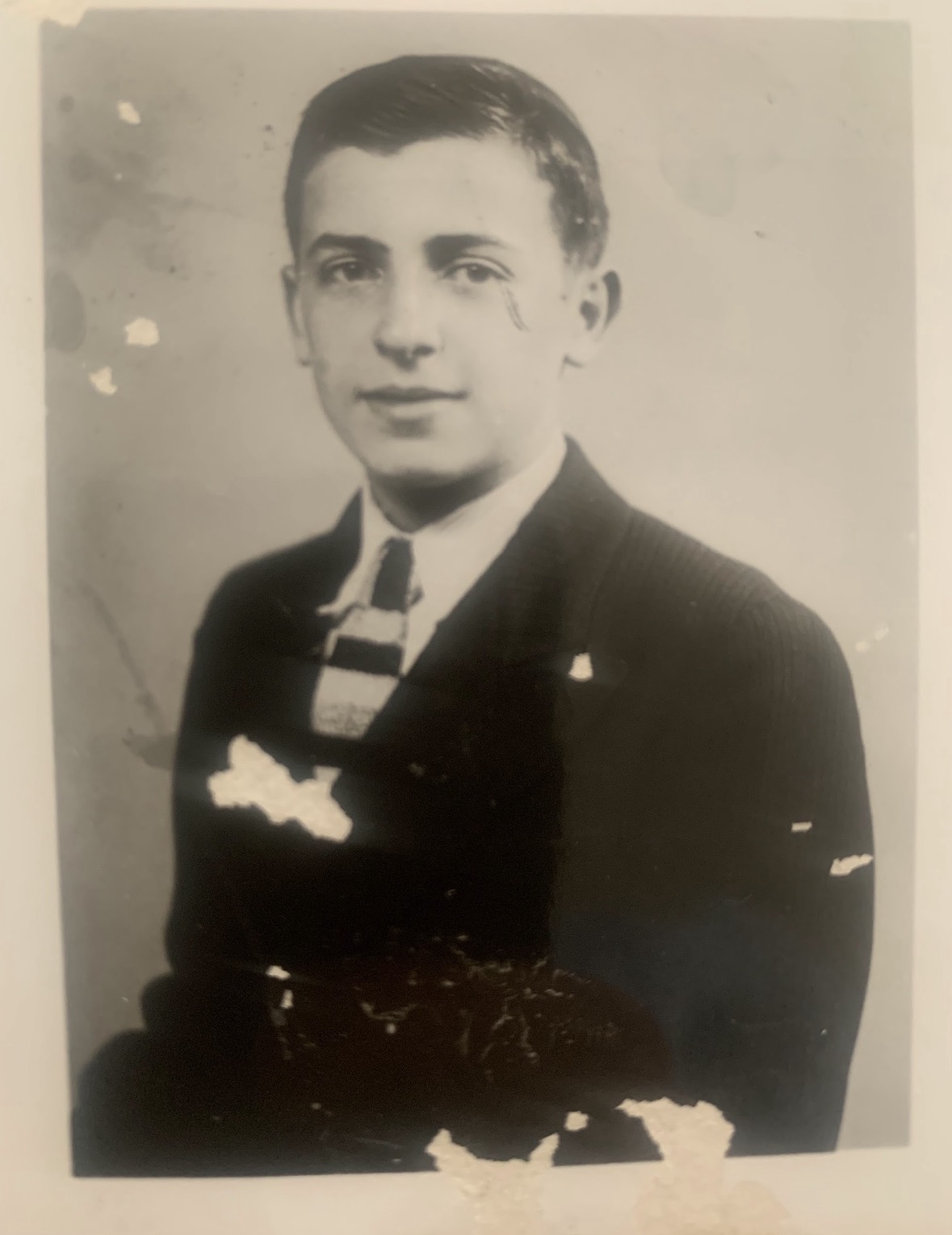
Rabbi Lamm was one of four siblings and grew up in Williamsburg, Brooklyn. His father, Samuel, held several different jobs, including as a kosher inspector for New York State. His mother, Pearl (née Baumol), was descended from a respected rabbinic family.
High School Report Card1945 - Entering Yeshiva College
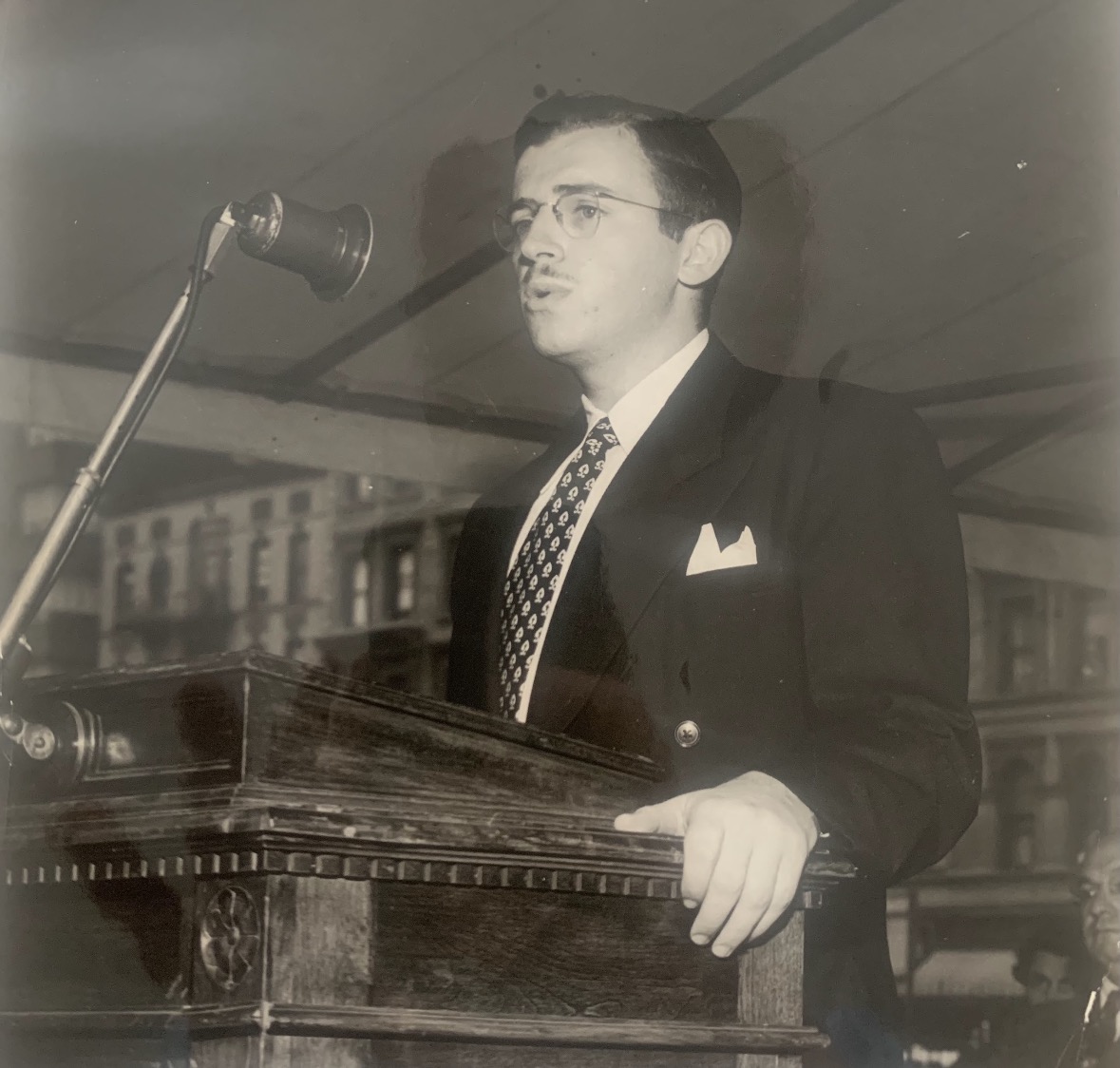
In 1945, Rabbi Lamm entered Yeshiva College, where he pursued both Jewish studies and a liberal arts program with a major in chemistry. He graduated summa cum laude in 1949, serving as class valedictorian.
Valedictory Address1948 - Working on "the Davikda"

While still a student, Rabbi Lamm spent a summer in the Catskills helping assemble parts of the Davidka mortar, a crude but vital weapon used in Israel’s War of Independence. His involvement reflected his abiding commitment to Israel’s survival.
One of the Highlights of My Life1949 - Yeshiva College Graduation and Rabbinic Ordination

After initially considering a scientific career, Rabbi Lamm was persuaded by Dr. Samuel Belkin, Yeshiva University’s second president, to enter the rabbinate. In 1951, he received ordination, marking the start of his influential leadership in Jewish scholarship and communal life.
Semicha Certificate1951 - First Pulpit Position at Kehillath Jeshurun

In 1951–52, Rabbi Lamm served as a rabbinic intern at Kehilath Jeshurun, where he developed a lifelong relationship with Rabbi Joseph Lookstein, his mentor and a master of sermonics. They would later serve as colleagues upon Lamm’s return to New York.
Letter to Rabbi Lookstein1954 - Springfield, MA
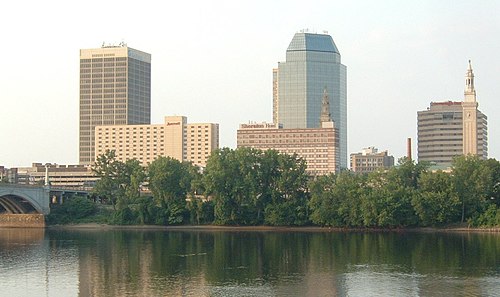
After a year at the West Side Jewish Center in 1953, Rabbi Lamm became the rabbi of Congregation Kodimoh in Springfield, MA, in 1954. He led the community for four and a half years.
Letter Confirming Kodimoh Appointment1958 - The Tradition Journal

In 1958, Rabbi Lamm played a pivotal role in founding Tradition, a leading journal of Orthodox Jewish thought. His vision was to provide a platform for rigorous intellectual engagement with modern issues through the lens of Torah, shaping the journal into a cornerstone of Jewish scholarship.
The Need for Tradition1958 - The Jewish Center

That same year, Rabbi Lamm became rabbi of The Jewish Center, a prominent Modern Orthodox synagogue on Manhattan’s Upper West Side, serving alongside Rabbi Leo Jung. His leadership revitalized the congregation, blending intellectual rigor with with personal warmth and tradition. He served until 1976, leaving a lasting impact on the community.
Letter Confirming Jewish Center Appointment1959 - Speaking out against Mixed Pews

In 1959, Rabbi Lamm’s article on mixed pews defended traditional gender separation in Orthodox worship. The article led to invitations to publish and speak on the topic, and he was consulted by rabbis, as well as Yeshiva University’s rabbinic placement office. This work helped propel him into national prominence in Modern Orthodoxy.
Separate Pews in the Synagogue1962 - Advocating for the Upper West Side Eruv

In 1962, Rabbi Lamm delivered a Shabbat Hagadol sermon advocating for an eruv on Manhattan’s Upper West Side. Relying on the permissive ruling of Rabbi Menachem Mendel Kasher, the effort brought him into contact with leading rabbinic figures, including Rav Moshe Feinstein and Rav Aharon Kotler.
Meeting with Rav Moshe Feinstein1966 - A Hedge of Roses

In 1966, Rabbi Lamm published A Hedge of Roses, offering a positive approach to sexuality within the framework of halakha. The book portrayed the laws of family purity as a protective and sanctifying force in Jewish life, making it a classic in the field.
Exchange about Portuguese Translation1966 - PhD and Full Professor Appointment

In 1966, Rabbi Lamm completed his PhD dissertation on Torah lishmah in the thought of Rabbi Hayyim of Volozhin, becoming the only rabbi to have both ordination and a dissertation sponsored by Rabbi Joseph B. Soloveitchik. That same year, he was promoted from adjunct professor to full professor of Jewish philosophy at Yeshiva University, where he had been teaching since 1959.
Dissertation, Chapters 1-21970 - The Royal Reach

In 1970, Rabbi Lamm published The Royal Reach, signaling the immense popularity of his sermons. Over 800 of his sermons have been preserved and appear in this collection.
The Royal Reach - Original Sermon1971 - Faith and Doubt

In 1971, Rabbi Lamm published Faith and Doubt, exploring not only the complexities of belief but also themes like free will, morality, and the relationship between science and religion. The book solidifed Rabbi Lamm’s status as a leading intellectual figure in Modern Orthodoxy.
Faith and Doubt, Handwritten Edits1973 - An International Lecturer

In 1973, Rabbi Lamm visited Australia, delivering lectures that expanded his international influence. The following year, in 1974, he founded Counterpoint, a Yeshiva University program aimed at outreach to young Australian Jews. His earlier international travels included visits to India in 1961, South Africa in 1964, and the United Kingdom in 1970.
Tentative Itinerary in Bombay1976 - Appointed President of Yeshiva University

In 1976, Rabbi Lamm became president of Yeshiva University, championing the philosophy of Torah Umada – the integration of Torah and secular knowledge. He worked to strengthen the university’s academic programs and elevate its reputation, solidifying its role as a leading institution of Modern Orthodoxy.
Investiture Speech1977 - Women's Talmud

In 1977, Rabbi Lamm took a bold step by introducing Talmud classes for women at Yeshiva University’s Stern College, marking a significant advancement in women’s Torah study. A lifelong advocate for women’s Torah and general education, Rabbi Lamm later supported the creation of GPATS (Graduate Program in Advanced Talmudic Studies) and backed initiatives such as the training of yoatzot halacha, further empowering women in Jewish learning and leadership.
Modern Orthodoxy: An Interview1980 - Saving Yeshiva University from Bankruptcy
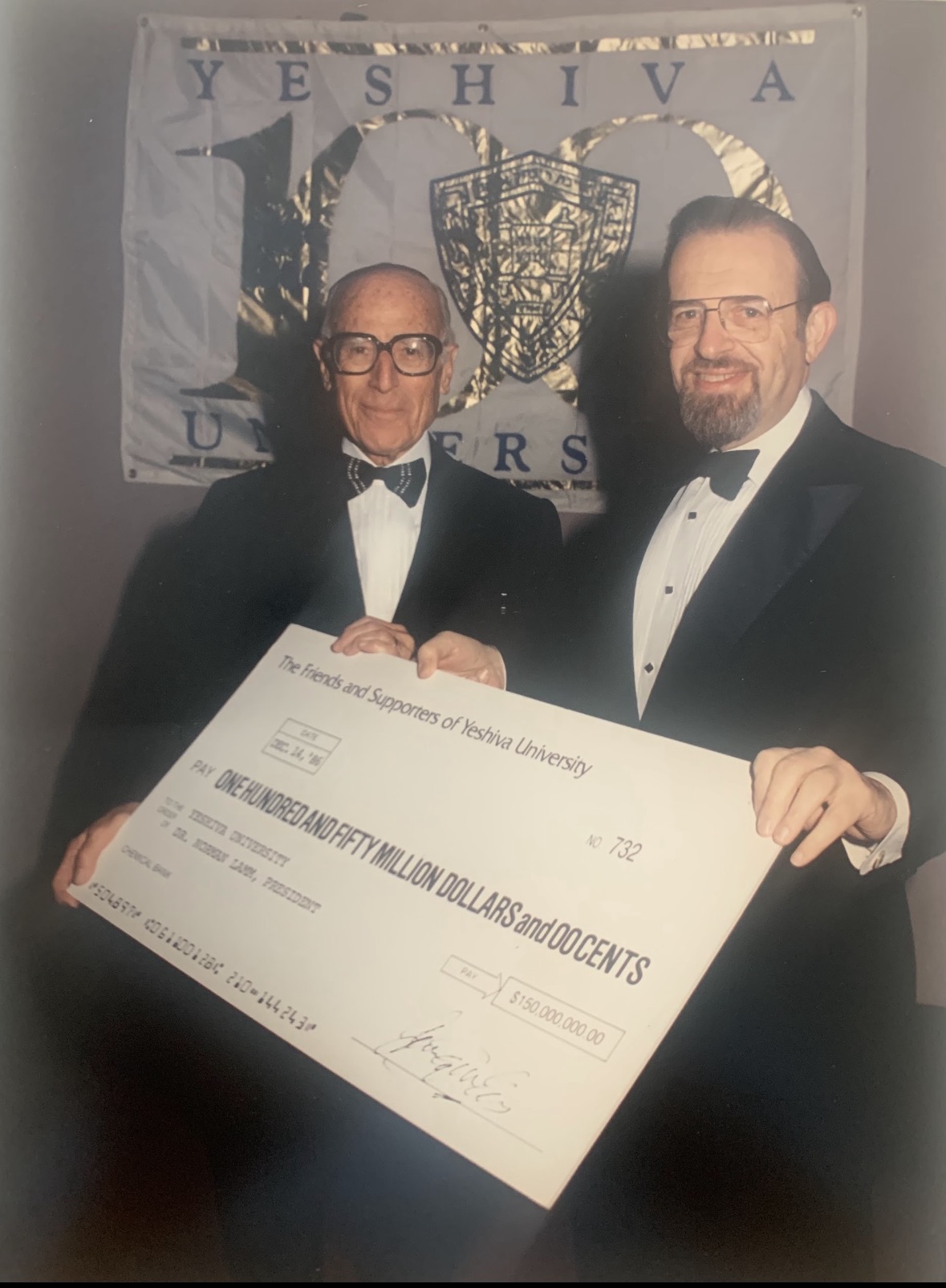
In 1980, Yeshiva University was on the brink of bankruptcy, a crisis that had begun before Rabbi Lamm became president. By 1980, he implemented cost-cutting, restructured the administration, and rallied donor support, successfully averting disaster and stabilizing the institution
Special Message from President Lamm1981 - Chag Hasemicha Addresses
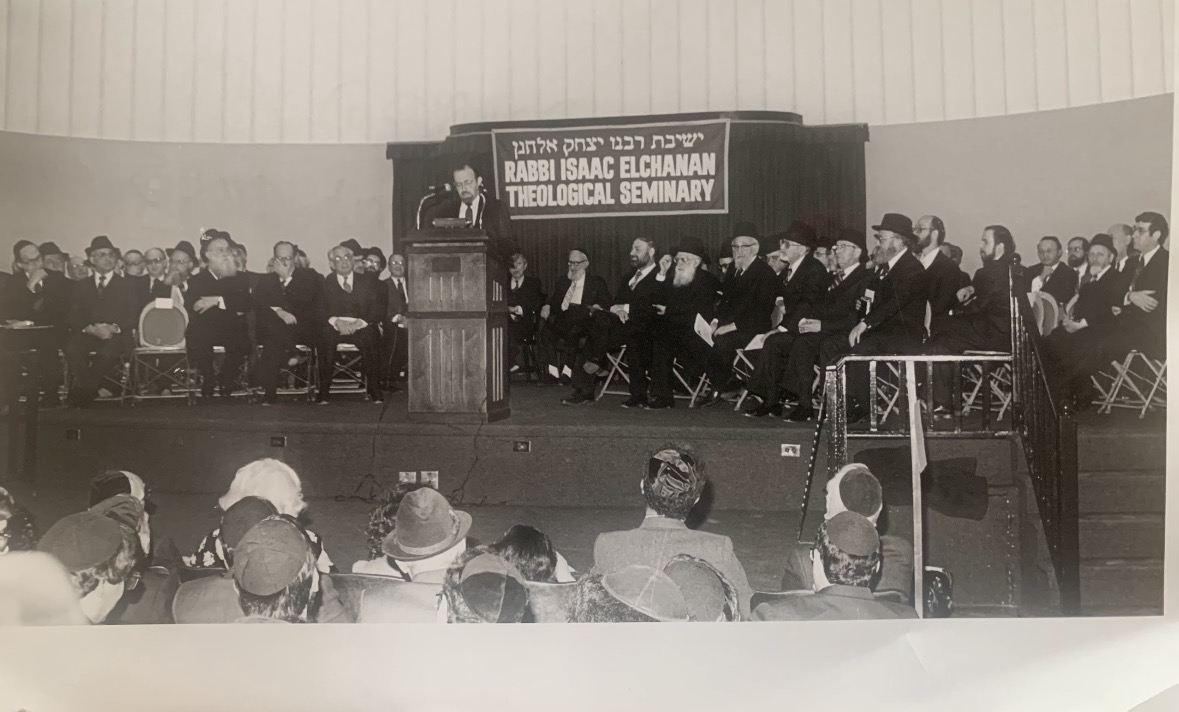
In 1981, Rabbi Lamm delivered his first Chag HaSemicha address, titled “The Future of Rabbinic Leadership,” at Yeshiva University’s quadrennial ordination event. He lectured and published extensively on this theme, which was close to his heart, setting forth a robust vision for modern rabbinic leadership and Torah’s role in contemporary society.
Compendium of Chag Hasemicha Addresses1983 - Azrieli Graduate School and Jewish Education

In 1983, Rabbi Lamm oversaw the founding of the Azrieli Graduate School of Jewish Education and Administration at Yeshiva University. This initiative reflected his deep commitment to Jewish education, ensuring the training of highly qualified educators and leaders. Rabbi Lamm viewed Jewish education as vital to the continuity of Jewish life and the development of future generations.
Education in Israel and the US1986 - Celebrating the Centennial
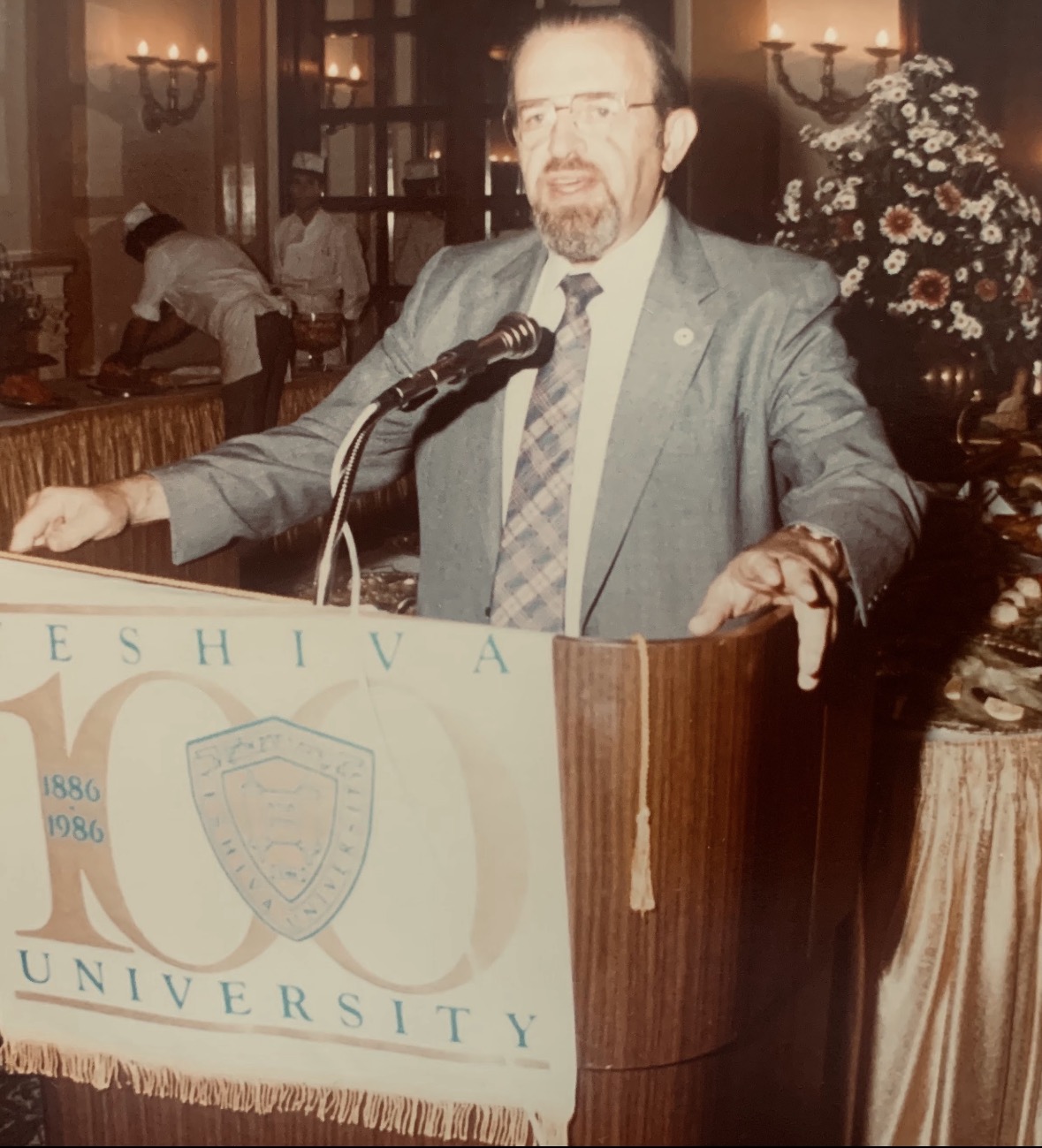
In 1986, Yeshiva University celebrated its centennial under Rabbi Lamm’s leadership, marked by growth and academic prominence. Even as some observers criticized the university’s integration of Torah and secular studies, Rabbi Lamm solidified YU’s financial stability and wider impact in the community.
Address at Centennial Dinner1990 - Torah Umadda

In 1990, Rabbi Lamm published Torah Umadda, outlining his vision for integrating Torah study with secular knowledge. This philosophy became the foundation of the Torah Umadda project at Yeshiva University, emphasizing the synthesis of faith and intellect. The project shaped YU’s educational mission and Modern Orthodoxy’s approach to balancing tradition with modernity.
Torah Umadda as a Way to Shleimut1999 - The Religious Thought of Hasidism

In The Religious Thought of Hasidism (1999), Rabbi Lamm explored Hasidic texts and spirituality. His maternal grandfather, a Hasidic figure, profoundly influenced his appreciation for Hasidic thought.
Exchange with Alan Dershowitz about Hasidism Book2003 - Appointed Chancellor

In 2003, after 27 years as president of Yeshiva University, Rabbi Lamm retired from the role. He continued to serve as Rosh HaYeshiva and stepped into the newly created position of Chancellor. In this capacity, he remained deeply engaged in supporting the university’s leadership and mission, playing an active role in fundraising and serving as a guiding presence.
Retirement Announcement2013 - Retirement

In 2013, Rabbi Lamm officially retired from his position as Chancellor, concluding decades of leadership at Yeshiva University. His retirement marked the end of an era, during which he had significantly shaped the university’s mission, promoted Torah Umadda, and left a profound impact on Modern Orthodoxy and Jewish education worldwide.
Remarks Upon Stepping Down as Chancellor2020 - Rabbi Lamm Passes Away

Rabbi Lamm passed away on May 31, 2020, in Englewood, New Jersey. His passing marked the loss of a towering figure in Modern Orthodoxy, whose leadership, scholarship, and vision profoundly shaped Yeshiva University and the broader Jewish world. His legacy continues to influence the community today.
Autobiographical Reflections